Longevity
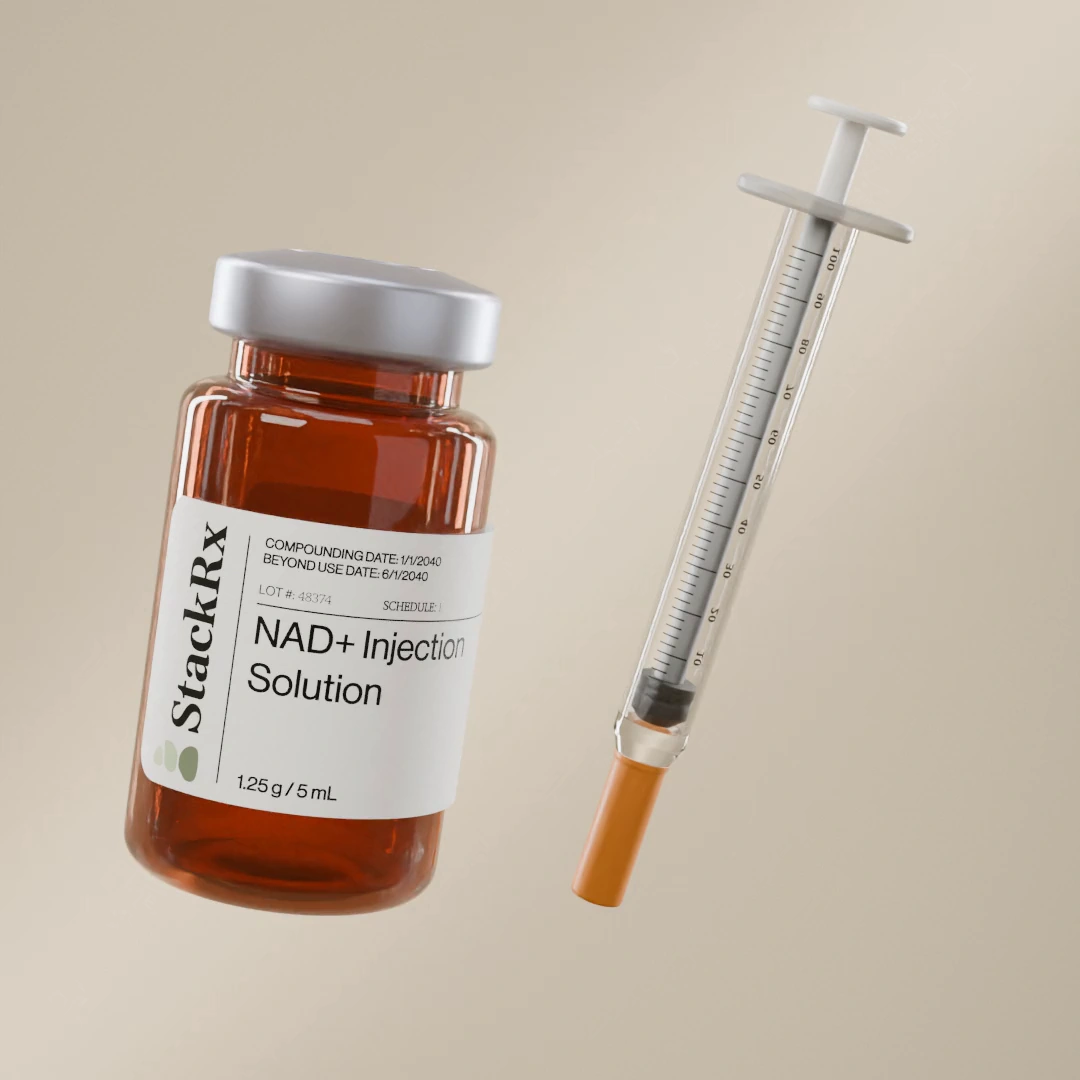
NAD+ Injection
NAD+, a coenzyme found in every cell, as an injection a few times a week.
From $179/moGet started
NAD+ as an injection or nasal spray, a nightly peptide, glutathione, low-dose naltrexone and metformin. A US-licensed provider reviews your health and prescribes only if it’s right for you.
NAD+, a coenzyme found in every cell, as an injection a few times a week.
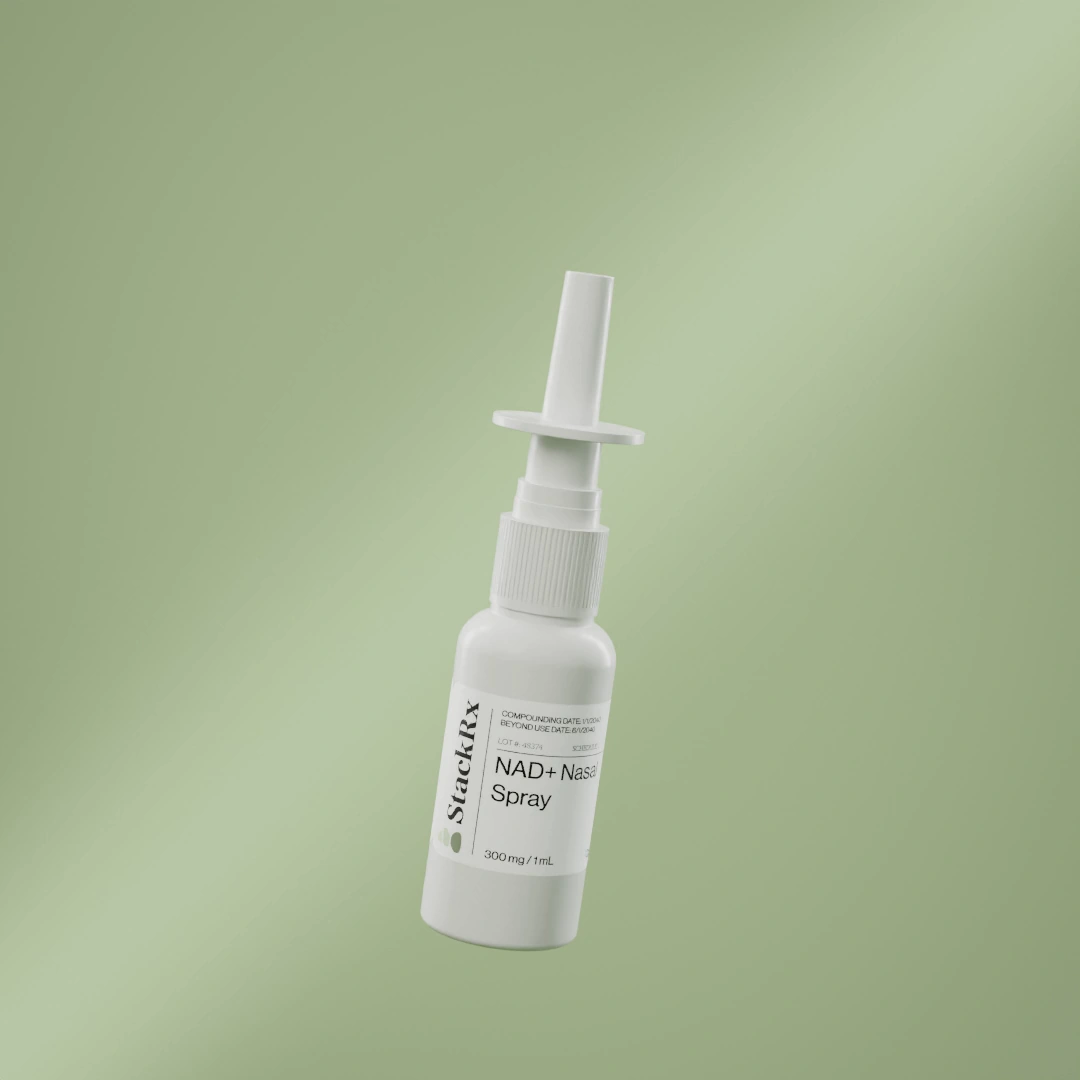
NAD+, a coenzyme found in every cell, in a needle-free daily nasal spray.
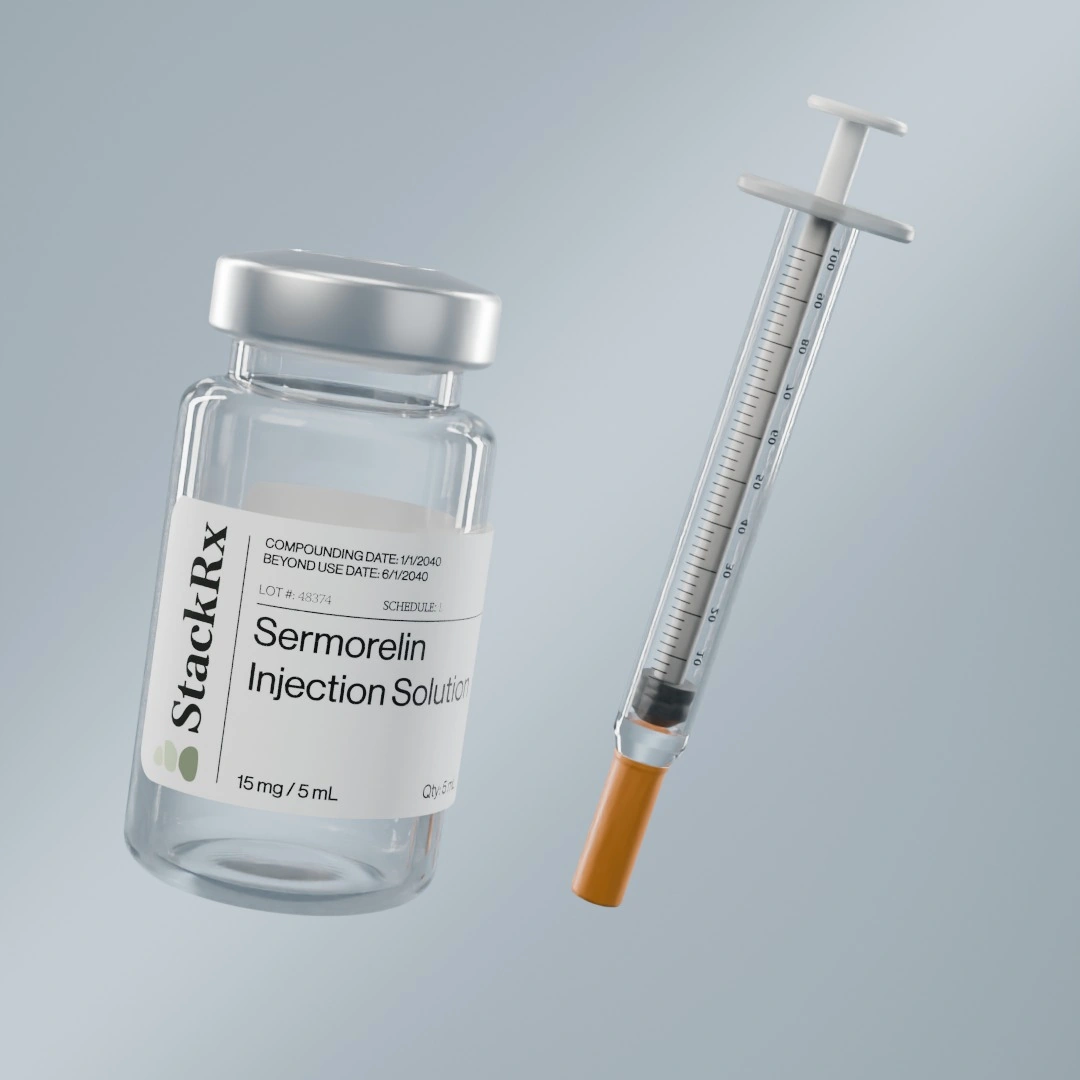
A nightly peptide that signals your pituitary to release its own growth hormone.
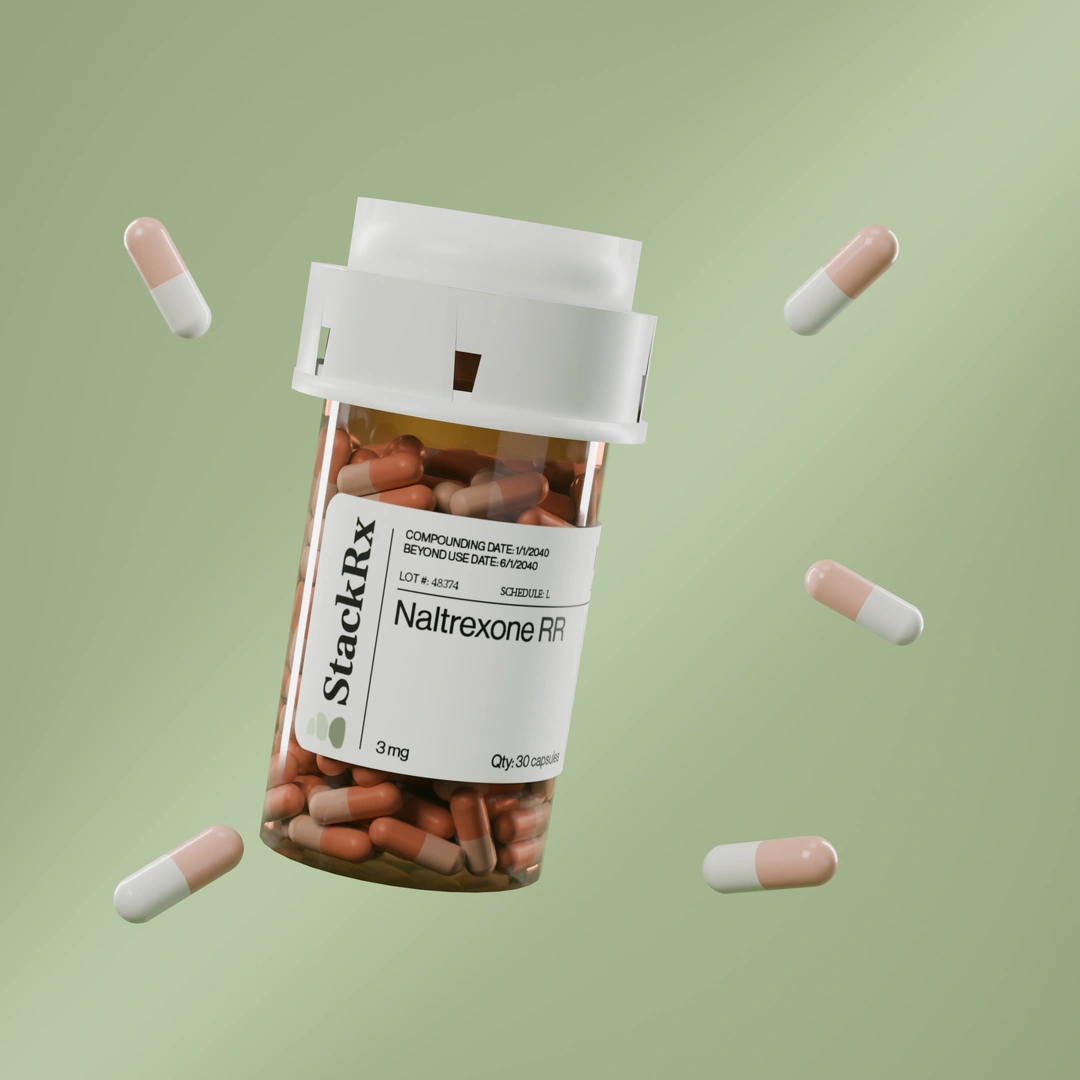
A small daily dose of naltrexone, prescribed off-label for chronic pain, fibromyalgia and some autoimmune conditions.
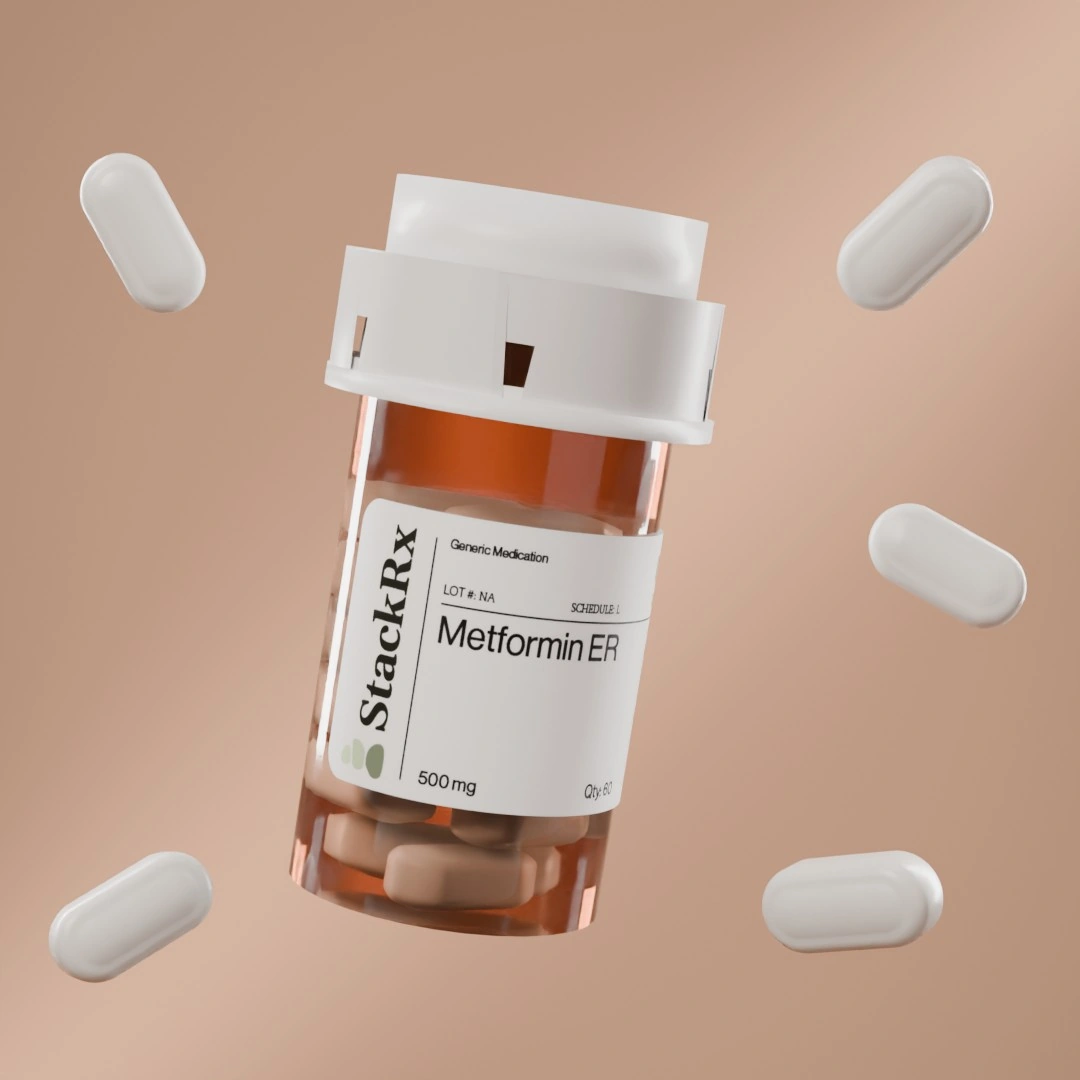
Generic extended-release metformin, FDA-approved for type 2 diabetes and prescribed off-label for prediabetes, insulin resistance and PCOS. Not compounded.
Glutathione, an antioxidant your cells make, as a compounded injection once or twice a week.
*Images are for illustration. StackRx is a technology platform that connects patients with independent providers and pharmacies. StackRx is not a compounding pharmacy. Medications you receive are labeled by the dispensing pharmacy as required by state and federal law.
Answer private questions about your health, history and goals.
A US-licensed provider reviews your answers and prescribes only if it’s right for you.
A licensed pharmacy fills your prescription and ships it free, in plain packaging.
It varies a lot from one treatment to the next, and for some it’s still early. Each treatment’s page has a plain summary of what the studies show and where they stop.
The injection goes under the skin a few times a week. The spray is used daily, with no needles. Your provider recommends a starting point and can talk you through switching later.
No. Metformin ER is an FDA-approved generic, dispensed as it comes. It’s approved for type 2 diabetes; for other uses it’s prescribed off-label.
Yes. Every treatment starts with a short online visit, and a US-licensed provider decides whether it’s right for you.
Compounded medicines are prepared by a licensed pharmacy for you, and the FDA doesn’t review them for safety, effectiveness or quality. Each treatment’s page says what’s approved and what isn’t.

Answer two quick questions to see treatments to ask about, or start a general visit and a provider will point you to the right one.